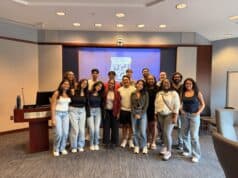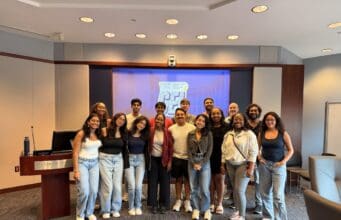


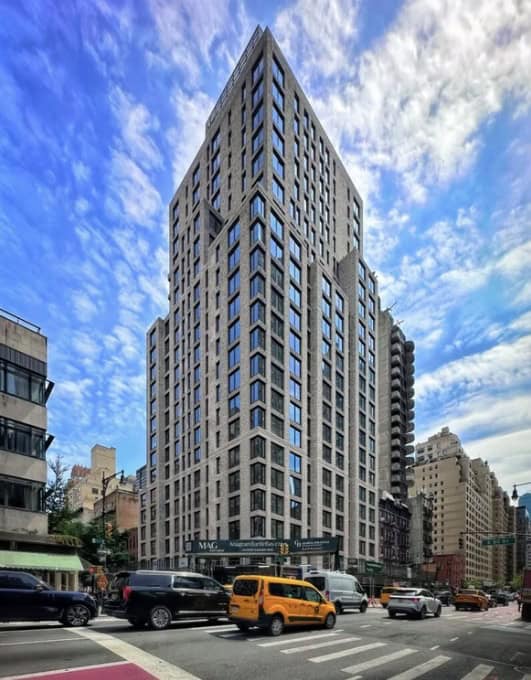
A classroom project in Goizueta’s real estate program evolved into a 23-story building in New York City. Building images courtesy of Krown Point Capital.
The last year has seen tremendous growth for Goizueta Business School’s real estate program—growth that is translating directly into real-world outcomes for students. While the program has existed for decades, serving both undergraduate and graduate students, the school has significantly expanded its offerings over the last few years.
For example, there’s an annual real estate conference that brings together students and faculty with industry leaders, but this year, it’s being hosted by the newly created BL Harbert Real Estate Center.
The program will also enroll the first cohort of students into their one-year real estate MBA, starting in May.
“Goizueta is within a city that has a vast amount of real estate. Atlanta is a real estate city,” says Sergio Gárate, assistant professor in the Practice of Finance and director of the Goizueta Real Estate Program. “It’s the hub of investment in the southeast.”
From Coursework to Commercial Practice
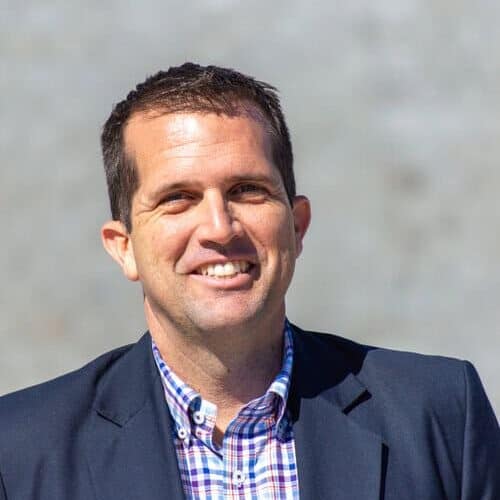
Students in Goizueta’s undergraduate Bachelor of Business Administration (BBA) program who major or focus on finance can pursue an area of depth in real estate. Lyle Fogarty 03MBA, adjunct faculty of real estate development and investment, has been teaching real estate development since 2006. In 2016, Conor McNally, adjunct faculty of real estate development and investment, became a co-instructor of the course. While the course began as a graduate class, it’s morphed into a cross-listed option for Goizueta seniors, too.
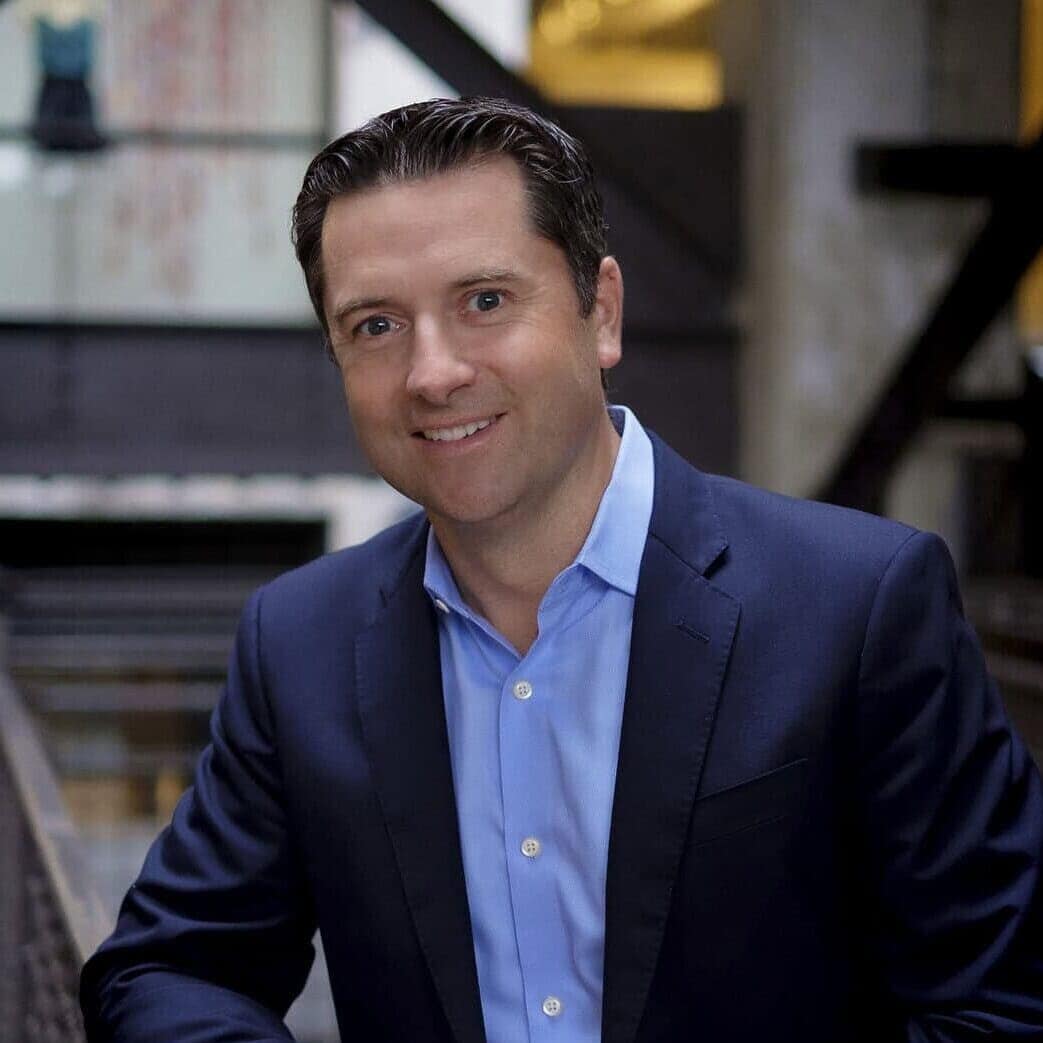
As part of this commercial-focused class, students complete a semester-long group project. The group must identify a potential development opportunity and “work through how a commercial project comes together,” including “negotiating to get a site under contract, developing a conceptual design, securing debt and equity capital,” explains Fogarty.
A Classroom Idea Takes Shape
In 2015, a group of students in Fogarty’s course created a project that focused on a potential building in New York City.

“I’m a big believer in NYC and delivering much-needed housing,” says former student, Reggie Kronstadt 16BBA, founder of Krown Point Capital.
Kronstadt worked in land assemblage—the process of combining two neighboring parcels of land into commercial or residential developments—during college and was already aware of this particular block. The group ran with Kronstadt’s idea in class. Now, more than 10 years later, that class project has become a brick-and-mortar building in New York City’s Midtown East neighborhood—a 23-story development with 194 units.
The project’s successful completion is even more impressive because it required bringing together multiple pieces of property, which meant multiple property owners needed to sell, leases on any existing structures needed to be dealt with, and any tenants in those buildings had to be addressed, explains Fogarty.
“Successful [commercial] development requires coordinating many parties, capital sources, and professionals to bring a project to life,” says Fogarty—and this class project brought to life is the perfect example.
Learning From the Industry—and Each Other
In Fogarty’s class, industry professionals from all areas of real estate development and investment are invited to speak about their experience. According to Fogarty, the goal is to expose students to a wide variety of career pathways, hoping these guest speakers might spark an “aha” moment in a student.

Kronstadt recalls leaving each of those talks inspired and excited to one day have a real estate development company of his own.
“I love how dynamic the real estate business is and the ability to have a vision and then execute on bringing that vision to life,” says Kronstadt, who did exactly that with his Goizueta group project.
“Hearing from former students who are doing great things in their lives and careers is honestly the best part of teaching,” says Fogarty, who actually learned of Kronstadt’s successful project through a former student who was connected to yet another Goizueta alumni. It was like a game of telephone—reinforcing the power and importance of the Emory University alumni network.

“When I attended Emory at the start of the new millennium, fewer than five people in my MBA cohort had a sincere interest in real estate, so it’s incredibly rewarding to see how much the program has grown since then,” says Fogarty. “Thinking that this course has played a role in that growth is a legacy that Conor and I are proud of.”
A Specialized MBA for Real Estate Professionals
While MBA students have always had the ability to take electives in real estate, the newly created one-year MBA program offers a focused, specialized MBA experience for individuals who are already in the real estate industry.

“Goizueta’s two-year MBA is for career switchers, this one-year program is for people who want to enhance their careers,” explains Gárate.
Students take the same core courses for the MBA, but the rest of their time is spent gaining hands-on, immersive experiences to bridge theory and practice in all-things real estate. The goal is that students take what they’re learning and can immediately apply it into their jobs.
As part of the program, students will also get an international experience, visiting two cities abroad. While those exact locations are still being finalized, they will be major international areas of real estate, and students will leave the program with an in-depth understanding of real estate dynamics in the U.S. and a competitive advantage of international markets as well.
“We spend a significant amount of time making sure that you’re going to be useful for your companies,” says Gárate.
Goizueta’s one-year Real Estate MBA is designed for professionals ready to deepen their expertise and accelerate their impact in the industry. Learn more and apply by the final deadline on March 4.
Join at the 5th Annual Goizueta Real Estate Conference on April 7 at the St. Regis Atlanta for a day of insights, connection, and conversation shaping the future of real estate.