


Discretionary effort is sometimes described as the holy grail of workforce engagement—and with good reason.
Whether it’s mentoring a new hire, proactive problem solving, supporting the team or a colleague who’s struggling, or playing some part in building a positive workplace dynamic, going above and beyond the formal job description creates value for organizations and individuals. These extra contributions are often rewarded through stronger performance evaluations, greater visibility, and promotion opportunities.
Discretionary effort can drive organizational outcomes and career progression. But are all forms of discretionary effort recognized equitably? And does gender influence which extra-role behaviors are seen, valued—and rewarded?
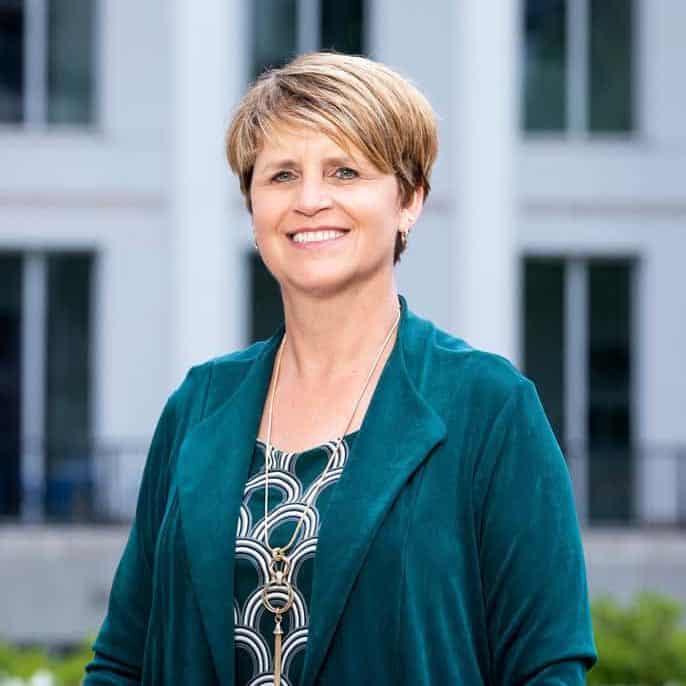
Addressing these questions is a forthcoming study by Karen Sedatole, Asa Griggs Candler Professor of Accounting at Goizueta Business School, and colleagues from Tulane University, Ono Academic College in Israel, and WU—Vienna University of Economics and Business. They find that gender not only influences the kinds of discretionary behaviors that employees choose to undertake, but also how these contributions are encouraged, evaluated, and rewarded.
And the implications are far-reaching for any company that wants to be truly meritocratic in the development and progression of its human capital.
Strategic versus Collaborative
Sedatole and her co-authors argue that citizenship behaviors can be arranged into two broad categories that map to traditional gender stereotypes: strategic and collaborative.
“We wanted to understand if there was a gender effect in how employees show up above and beyond their responsibilities and how organizations respond. So, the first thing we did was distinguish between behaviors that are stereotypically male and female,” says Sedatole.
“In the male camp you have strategic things—volunteering for systems transformation or strategy redesign projects, say—behaviors that challenge existing processes. Female behaviors are the more collaborative things such as doing more to foster cooperation, assist peers, contribute to the community, or build culture.”
We wanted to understand if there was a gender effect in how employees show up above and beyond their responsibilities and how organizations respond.
Karen Sedatole, Asa Griggs Candler Professor of Accounting
While both sets of behaviors are valuable and contribute to organizational success, she says, the goal of the research was to understand if they were perceived differently.
To test this, they analyzed data from a U.S. financial services firm that was test-driving a formal system to document, reward, and motivate discretionary effort. The initiative was unusual, says Sedatole.
“In the overwhelming majority of cases, organizational citizenship is hard to track because, by definition, it sits outside of people’s core job duties and responsibilities. It’s visible, but the way it’s recognized and encouraged is usually informal. Here we had an opportunity to look at hard data coming from a management control system built on employee achievement reports documenting contributions outside formal responsibilities, a dedicated evaluation committee, and a structured bonus program.”
In the overwhelming majority of cases, organizational citizenship is hard to track because, by definition, it sits outside of people’s core job duties and responsibilities.
Karen Sedatole
Employees were invited to volunteer for distinct activities. Stereotypically male, strategic behaviors were tracked through participation in a major overhaul of the firm’s operating processes as part of strategic efforts to better serve customers. Here, employees could help redesign and roll out new systems and workflows and contribute operational input and recommendations. Meanwhile, collaborative projects included talent acquisition and peer mentoring programs, morale and culture-building activities, and sustainability initiatives including supporting a community food bank. Contributions were formally monitored and then reviewed by an “above and beyond” committee that assigned a rating.
“It’s important to note that the evaluation system was essentially subjective,” says Sedatole. “The committee based its ratings and bonuses on its own judgement of each person’s contribution—their significance and impact.”
The Gender Gap: When Recognition Isn’t Equal
Crunching data from 492 employees, including documented participation in citizenship projects, evaluations of employees’ contributions, their gender, role type, performance history, and demographic information, Sedatole and her colleagues make two critical discoveries.
First, women are less likely to engage in strategic behaviors—46 percent less likely than men. Women have a markedly stronger preference for collaborative activities; a pattern that aligns strongly with gender role theory, says Sedatole.
“While women were half as likely as men to sign up for traditionally male-coded activities—the assertive, strategic, and challenger roles and behaviors—they are 34 percent more likely to participate in activities involving care and relationship-building. We understand that this is to do with the way we are socialized. If men see themselves and are seen by others as fitting roles that emphasize leadership or ambition, they will frequently self-select or gravitate towards strategic behaviors that feel more congruent with their gender identity.”
If this is “unsurprising,” says Sedatole, their second finding should be on the radar of organizations and leaders everywhere.
We found that men were getting a much higher evaluation for doing activities that were out of character—not traditionally male.
Karen Sedatole
While both genders were rewarded for discretionary effort and organizational citizenship, men received a disproportionately large reward for engaging in communal activities traditionally associated with women.
Women also benefited when they took on strategic, male-coded work but received comparatively little additional recognition for communal contributions suggesting that these behaviours are expected rather than exceptional.
This is problematic, says Sedatole. It shows that two employees can contribute the same effort outside of their formal role but be recognized differently, simply because one behavior aligns with gender expectations while another defies them. It also points to deeper biases within the organization if men are rewarded more than women for bucking gender norms.
“We found that men were getting a much higher evaluation for doing activities that were out of character—not traditionally male. Women were also getting recognition for behaving more like men and doing strategic things, but critically they were not rewarded for performing the ‘feminine’ communal activities—the inference is that this is just what’s expected of them. The firm expects them to do the softer, more relational things and when they step out of character, people sit up and notice. And that’s clear evidence of deeply ingrained bias—even if it is subconscious.”
The participating firm was “surprised” by these findings, says Sedatole; particularly because it has long-established calibration processes designed to iron gender bias out of its evaluation processes. This is a worry, she adds.
You should question your assumptions about whose contributions strike you as exceptional—and whose you might be taking for granted and in danger of overlooking.
Karen Sedatole
“Many forward-thinking companies believe they are doing enough to close the gender gap. What our study reveals clearly is that assumptions about how men and women should act and behave can creep into subjective evaluation processes in ways that go beyond formal performance reviews and influence how discretionary effort is perceived. And that can harm people’s career progression perhaps more than we suspect.”
Interrogating Assumptions
Organizations that are serious about meritocratic career progression and succession would do well to build awareness of the “hidden biases” that pervade recognition, says Sedatole. While there is evidence to suggest that bias training may be limited in its impact, there are perhaps other intentional practices that decision-makers can consider.
“I would encourage leaders to explore different ways to root out bias. A good start might be to rethink the way they assign work and projects. Having women take on more strategic assignments, and men more communal work, may be one way to address emerging imbalances. And leaders will want to be very mindful about who’s doing what and whether there are tendencies for people within the business to gravitate to different activities based on gender.”
What our study reveals clearly is that assumptions about how men and women should act and behave can creep into subjective evaluation processes in ways that go beyond formal performance reviews and influence how discretionary effort is perceived.
Karen Sedatole
Paying attention is key, says Sedatole, because human bias can be hard to identify and harder still to acknowledge.
“If your goal is advancing people based on their talent and contribution regardless of their gender or any other identity they present, then recognizing discretionary effort needs to be far more than simply noticing who is going above and beyond in your organization.
“You should question your assumptions about whose contributions strike you as exceptional—and whose you might be taking for granted and in danger of overlooking.”
From organizational behavior to leadership and performance management, Goizueta faculty research helps businesses build stronger organizations and better workplaces. Explore more faculty insights and innovations.