
Goizueta alumni return to the classroom to share what building a business really looks like—beyond the pitch deck.
Entrepreneurship is full of pitches, projections, and perfectly designed slides. But every once in a while, the deck gets pushed aside, and an entrepreneur opens up about what it feels like. The uncertainty. The missteps. The moments where nothing seemed to work, and they still had to figure it out anyway.
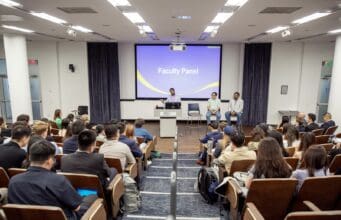
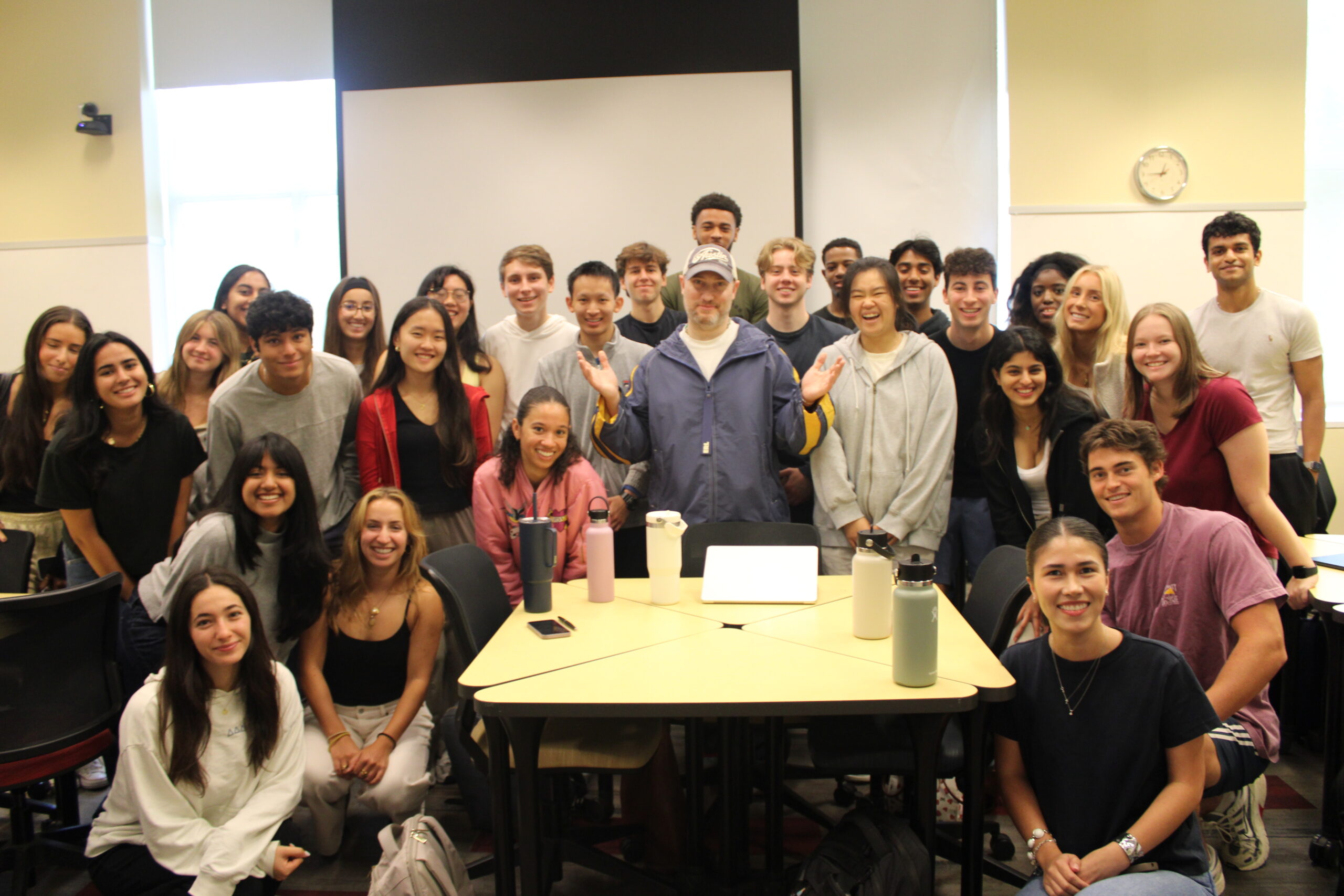
This fall, students in Goizueta’s undergraduate Bachelor of Business Administration (BBA) program enjoyed rare access to such candid conversations and critical insights as part of the Entrepreneurship and Venture Management course, led by Senior Associate Dean of Undergraduate Education and Professor in the Practice of Organization & Management Andrea Hershatter. Over the course of the semester, six alumni founders returned to campus to speak to the class about their ventures, offering students a clear window into what a start-up actually looks like beyond the headlines.
“The literal definition of entrepreneur is ‘to undertake,’ and there is no substitute for hearing directly from people who have done just that—taken a concept and transformed it into a reality,” says Hershatter.
That tone—candid, grounded, and forward-looking—set the pace across every session this fall. The speakers showed up not as mere case studies—though ironically, some of these founders are now taught as case studies. They weren’t distant success stories either: They were Goizueta alumni who once sat in the same classrooms as today’s business students. They built businesses, got stuck, rebuilt them better, and returned to campus not just to talk about winning but about becoming.
“I think it’s really poignant for students to hear from incredibly successful people who started their journeys in the very same seats,” Hershatter adds.
Diverse Journeys, Shared Mindset

No entrepreneurial journey looks the same.
Josh Luber 99BBA 06JD/MBA, co-founder of StockX and now founder and CEO of GhostWrite, was refreshingly blunt about how his entrepreneur journey unfolded.
“There was no vision,” he said. “Visions happen afterwards.” Rather than following a perfectly mapped out plan, Luber described his path as iterative, following curiosity about pricing, fairness, and how markets work. From scraping sneaker data to building billion-dollar marketplaces, his advice emphasized momentum over methodology. “One foot in front of the other,” he told students. “You never know what’s next.”
Even after leaving a multibillion-dollar company to start again, Luber reinforced that entrepreneurship is not about arriving but continuing to ask what’s next.
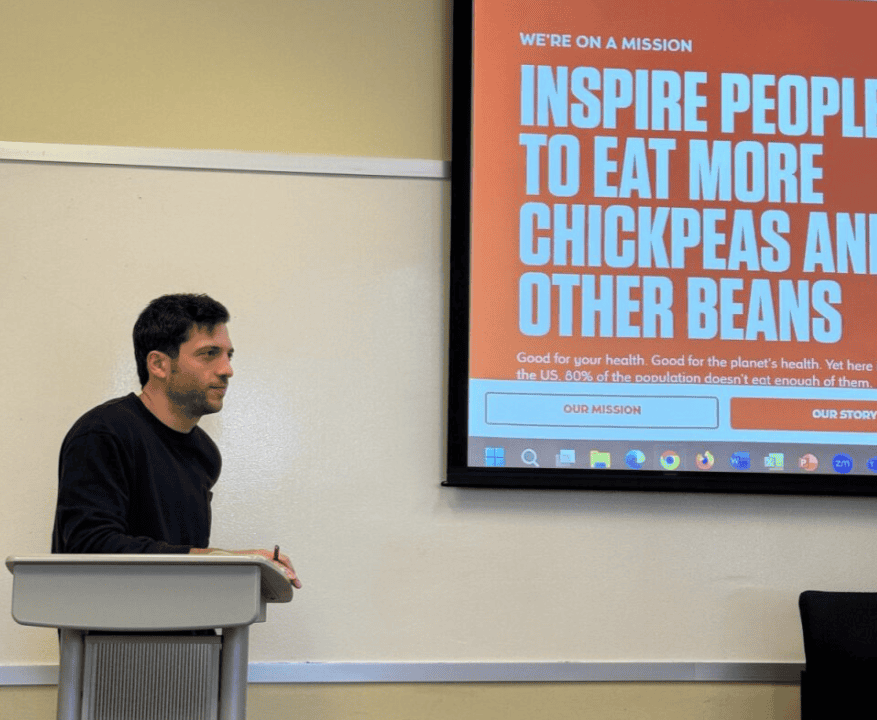
Brian Rudolph 12BBA, founder and CEO of Banza—whose alternative carbohydrate pastas and other products are now sold in grocery stores nationwide—echoed that mindset while noting the value of speed.
You move fast, he argued, not because everything is right—but because making mistakes is inevitable and is the only way to move forward. “I was just trying to move as fast as I could,” Rudolph said. “If I was going to fail, I just wanted to know so I didn’t waste time on it.”
From kitchen experiments to crowdfunding to reality TV, Banza’s growth wasn’t linear. It was built through constant testing, failing early, and listening carefully.
Caren Kelleher 05BBA, founder and CEO of Gold Rush Vinyl, reminded students that not every great business fits into the Silicon Valley mold. Her journey was deeply operational, risky, and personal. “Most of my job is making sure our machines don’t break down,” she said half laughing, half serious.
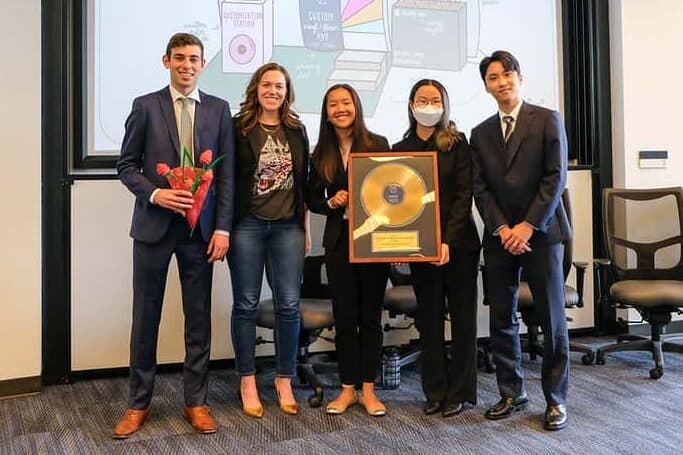
From taking on personal debt to navigating manufacturing disasters, she showed that entrepreneurship can be unglamourous and still widely impactful. “We make records,” she told students. “But we’re problem solvers.” Her story reframed entrepreneurship as something deeply human and demanding, where resilience matters just as much as creativity.
Through different industries and different personalities, they had the same underlying takeaway: There is no single “right” way to build.
When Values Lead Growth: How Conviction Builds Connection
If one word threaded through every talk, it was authenticity.

Adam King 09MBA, founder of 1587 Sneakers, spoke candidly about building a brand rooted in Asian American identity despite early pressure to water it down.
“Know what your brand stands for. Choose a line and go hard on that.”
“If people don’t understand your idea, it’s over,” he added.
After nearly 90 pitches, a Shark Tank appearance, and countless rejections, King emphasized that authenticity was what finally resonated with customers. “People like authenticity,” he reminded the room. “Take feedback from real customers.”
Leslie Tessler 99BBA, founder and CEO of Hanni, shared how passion has repeatedly opened doors in unexpected ways, from an Uber conversation that turned into a major investment to securing a partnership with Sephora. “You have to be passionate about what you do,” she said. “Things will happen naturally.”
She also spoke honestly about missteps, like branding herself too tightly to a trend and what it took to evolve without losing the core of the brand. Her takeaway was simple but powerful: passion starts the journey, but reflection and adaptability sustain it.
Ultimately, students understood that people don’t connect with perfection as much as they connect with purpose.
Trust Through Transparency
What made this series stand out wasn’t just the accomplishments; it was transparency.
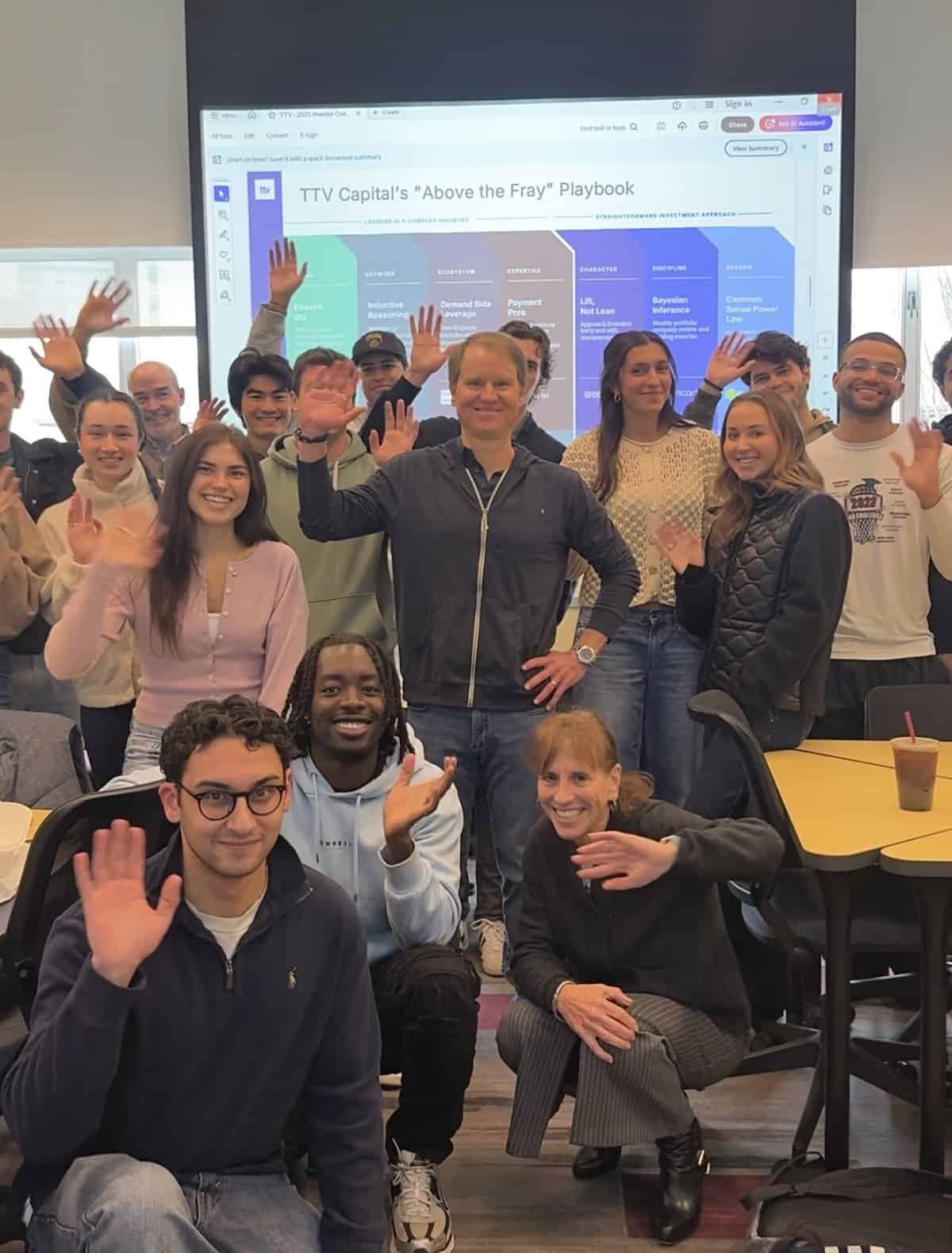
Gardiner Garrard 99MBA, founder and managing partner of TTV Capital, brought the investor perspective full circle. “Don’t replace original founders,” he advised. “Ask ‘why’ five times until you get to the root. Original founders have a unique connection to their companies,” Garrard explained, “which is crucial for long term success. Instead of replacing them, figure out the root cause of a problem by repeatedly questioning why an issue exists.”
He emphasized character, trust, and building real businesses—not just chasing growth for growth’s sake. His advice grounded the series in a bigger picture: Entrepreneurship isn’t just about value creation, but responsibility. He reminded students that long-term success depends on people just as much as products.
A Lesson from Lived Experience
For Goizueta students, the speaker series wasn’t about copying someone else’s path. It was about seeing that there are many paths, and all of them involve uncertainty.
The alumni didn’t come back to campus to impress students, but rather to tell the truth: businesses are built in stages; confidence often comes after action, not before; and the most interesting part of entrepreneurship isn’t the pitch—but the person behind it.
“I’m so grateful to our alumni for their time and candor, and very proud to highlight them as our very own at Goizueta Business School,” Hershatter reflected.
At Goizueta, undergraduate BBA students learn business by engaging directly with the people who’ve lived it. Learn more about the Bachelor of Business Administration program at Goizueta Business School.