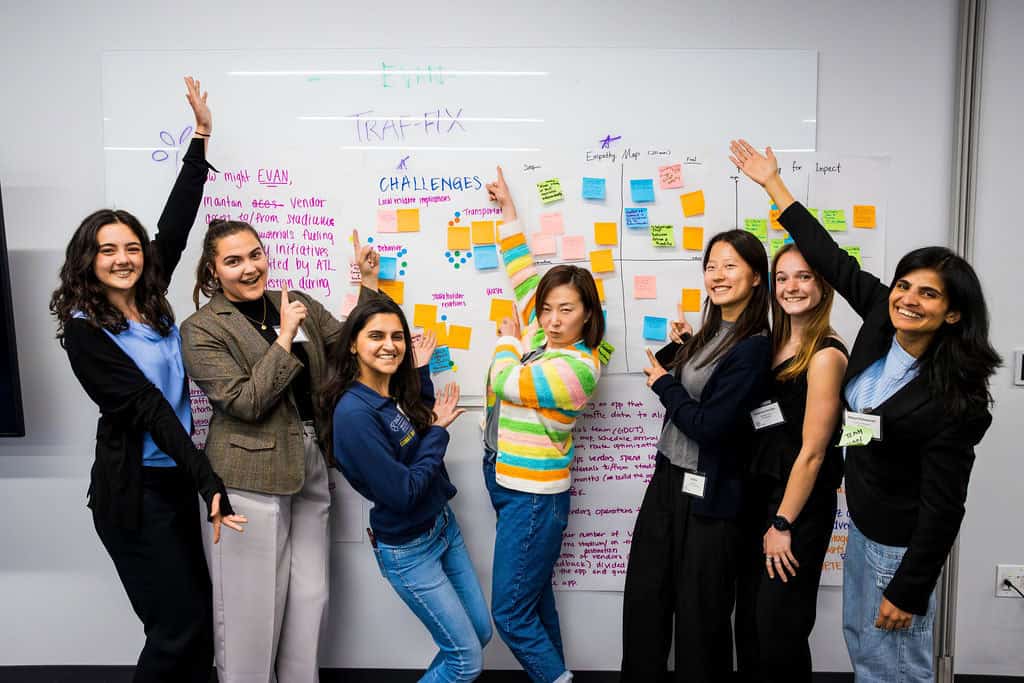

As Atlanta prepares to host matches during the 2026 World Cup, undergraduate and graduate students from Emory University and Georgia Tech gathered this spring for the Climate Design Challenge, an opportunity to think creatively about ways the city could use this massive event as an impetus for sustainability.
The event was held by Goizueta Business School’s Business & Society Institute in collaboration with Georgia Tech’s Ray C. Anderson Center for Sustainable Business. Thanks to a generous, multi-year donation from the James H. Reilly 11C 12G and Elizabeth M. Morgan DVM 12C of the Reilly Family Fund, the Climate Design Challenge will be held again next year.
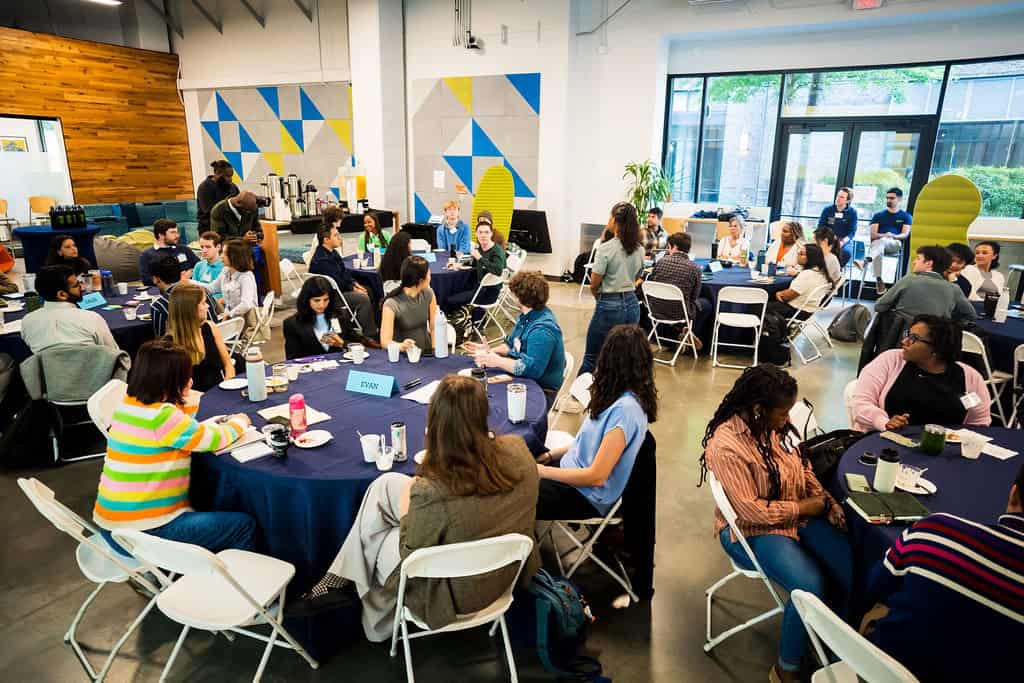
“Our mission at Goizueta is a bold one: to prepare principled leaders to have a positive influence on business and society,” says Brian Goebel, managing director of the Business & Society Institute. “Given the urgent challenges and transformational opportunities that climate change presents across sectors, immersive learning opportunities like the Climate Design Challenge are necessary to develop principled leaders.”
The Business of Climate Change
The idea for this kind of learning experience had been kicked around for about two years; the Business and Society Institute even launched a pilot project last year. The goal of the event was to provide an experiential learning opportunity to facilitate thinking like a climate-smart leader. Goebel describes this type of leadership as knowing policy and regulations; understanding the industry and technology; but also possessing basic knowledge of climate science.
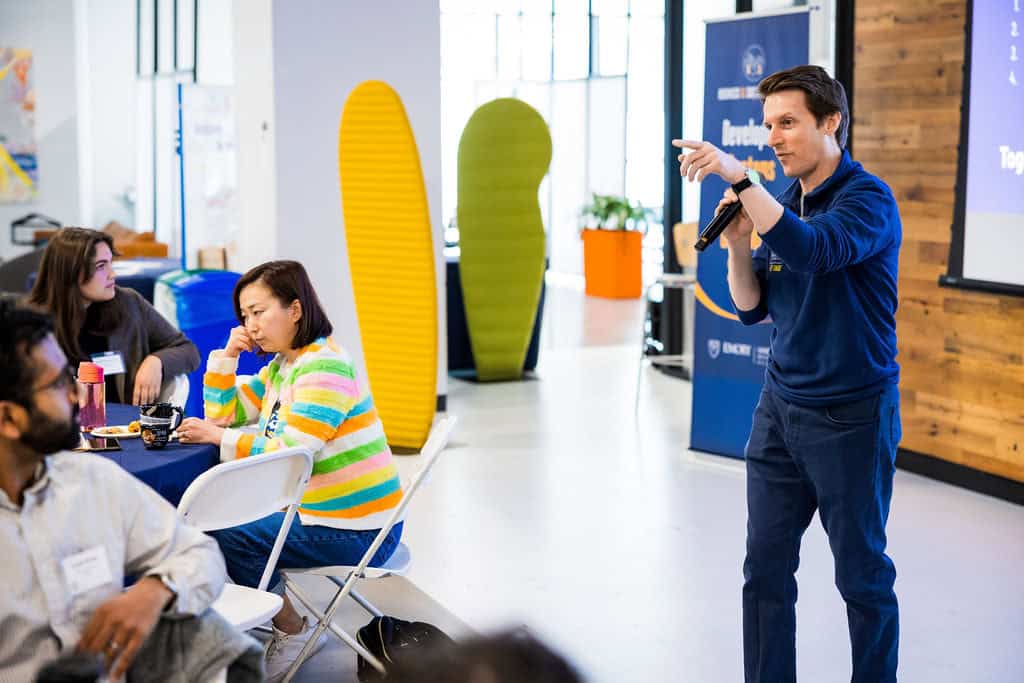
“Climate doesn’t fall into one domain,” says Goebel. “Our belief is that principled leaders in the 21st century need to not only possess traditional business capabilities, but also new climate-smart ones, which center on systems thinking, navigating tension, and working across disciplines.”
Goebel and his team leaned on Jasmine (Jaz) Burton 22MBA, a design-thinking educator, to co-create the event. Burton’s background and area of expertise lies in human-centered design, which she summarizes as “empathizing with real people with their real problems” versus assuming to understand the issues and creating, perhaps thoughtless, solutions. Human-centered design is “empathy, ideation, implementation, and iteration,” explains Burton.
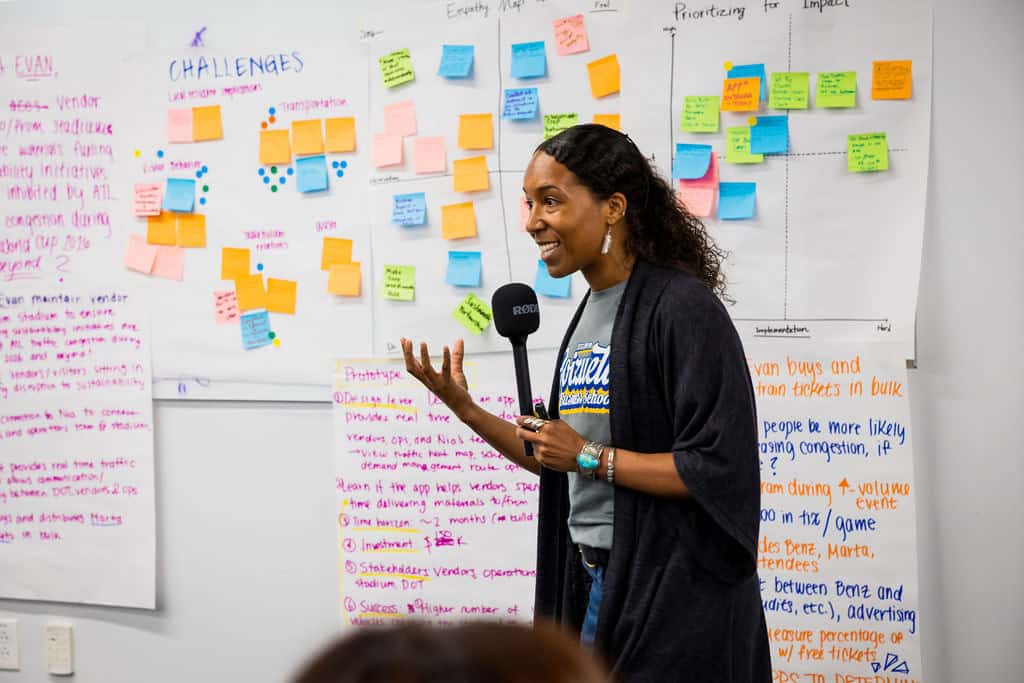
The event focused on a single question: How could Atlanta use the 2026 World Cup to strengthen climate-smart systems?
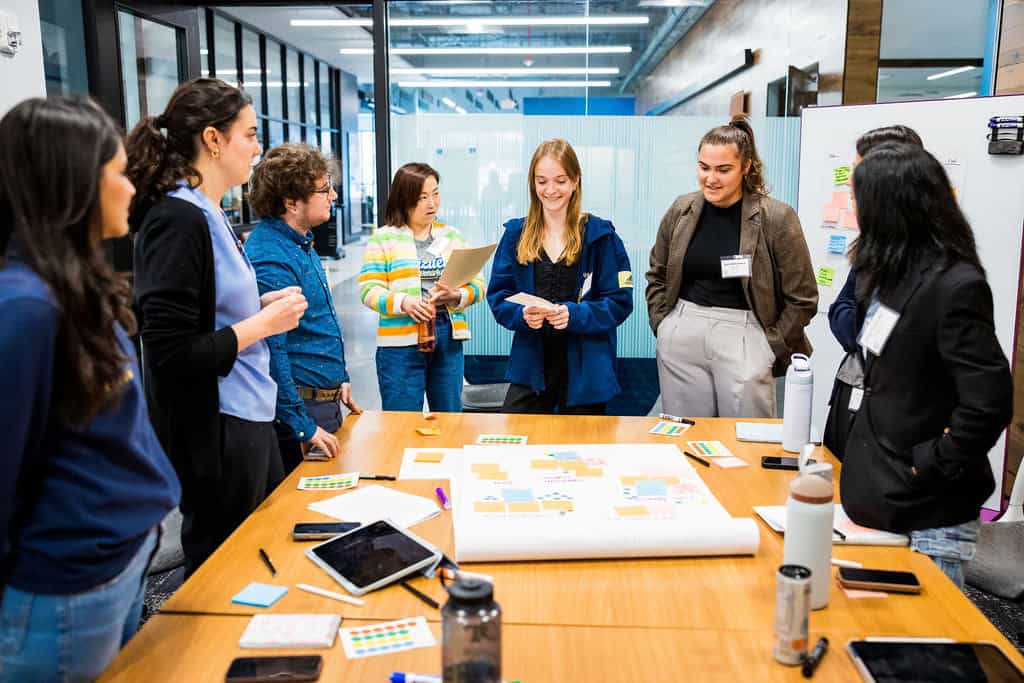
One of Burton’s tasks was interviewing several leaders in the climate industry in Atlanta. The information from these interviews was used to create the characters of the case study. Each group of participants was assigned to a particular character. The group’s task was to not only emphasize and understand the perspective and motivations of their character, but to also come up with a viable solution of the case study question. These characters ranged from World Cup host Mercedes Benz stadium to the city of Atlanta itself.
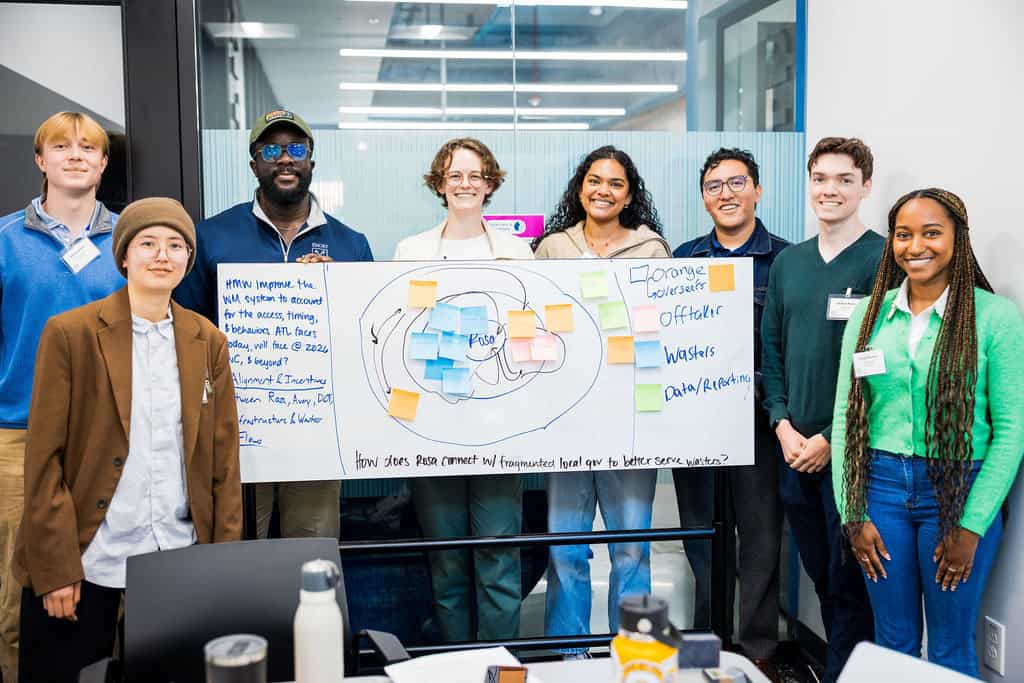
“Putting people in teams leads to a dynamic effort, where you start to learn and appreciate various perspectives and really think in systems,” says Goebel.
Burton’s work places an emphasis on play and low-stakes environments to ideate real-world solutions, and she molded the event’s agenda around that background. Students were encouraged to collaborate and experiment versus competing to win. At the end of the event, each group gave their presentation. Burton later compiled the participants’ solutions into a public report, which captures the ideas and recommendations generated during the Climate Design Challenge.
“Humility comes with acknowledging that everyone has a lived experience, and everyone has the ability to contribute,” says Burton. “We all live in the world; we all have climate stories; therefore, we can be climate-smart together.”
Experts Weigh In
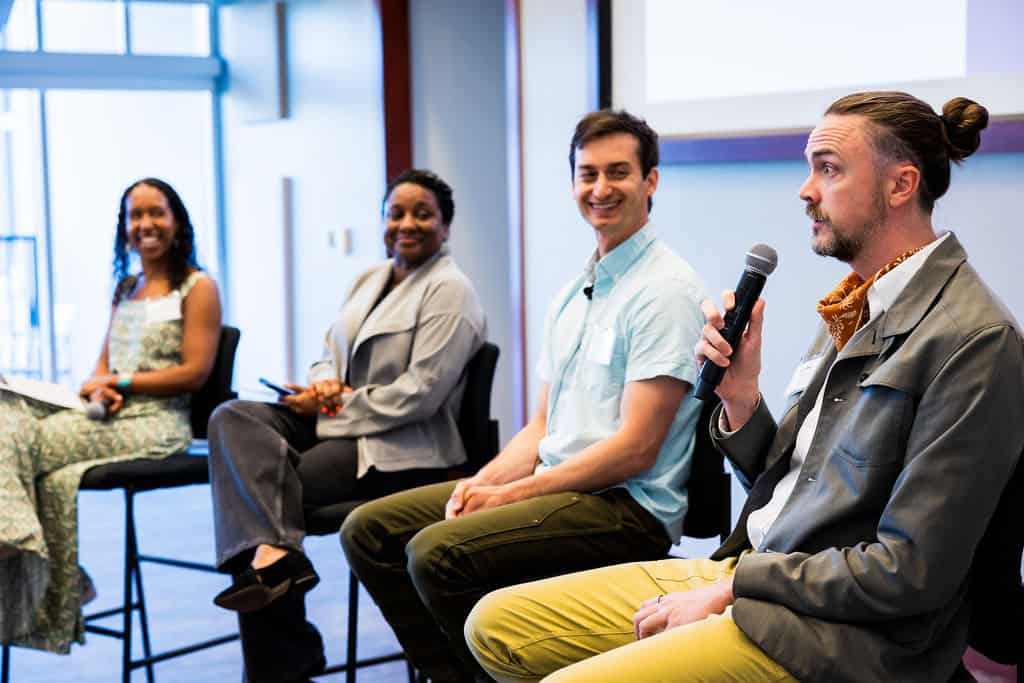
The concept of circularity was the focal point of the case study and experience. One of the industry experts that Burton interviewed was Joey Shea 13C, sales director of contract seating at GenPhoenix.
When Shea describes circularity, he references the natural world, where things are used after their original purpose is complete—the food chain. Simply put: “Circularity means eliminating waste as a concept,” explains Shea. “A circular economy is constantly in pursuit of equilibrium rather than unlimited growth at the expense of the resources and nutrients that make such growth possible.”
During the event, Shea spoke on a panel with the chief sustainability officer of Atlanta, Chandra Farley, and the chief composting and impact officer at CompostNOW, David Pull.
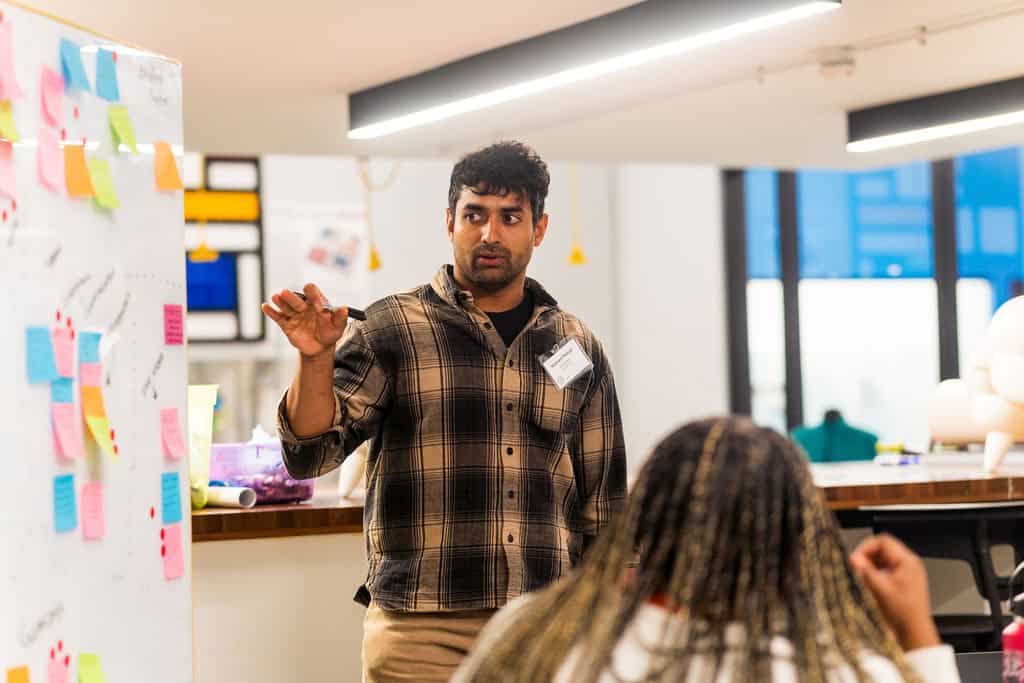
As a result of their hard work, students left the two-day event with a Circular Futures Certificate, which participant Justin Le says gives him a “responsibility to teach others what circular economics means.”
“What excited me about this program is the way it will challenge students to think differently and aim for different goals,” says Shea. “None of the teams suggested a solution that did not include more collaboration and system-level integration, and that is a clear representation of how different the framing and these students’ minds work as compared to business as usual.”
The Student Perspective
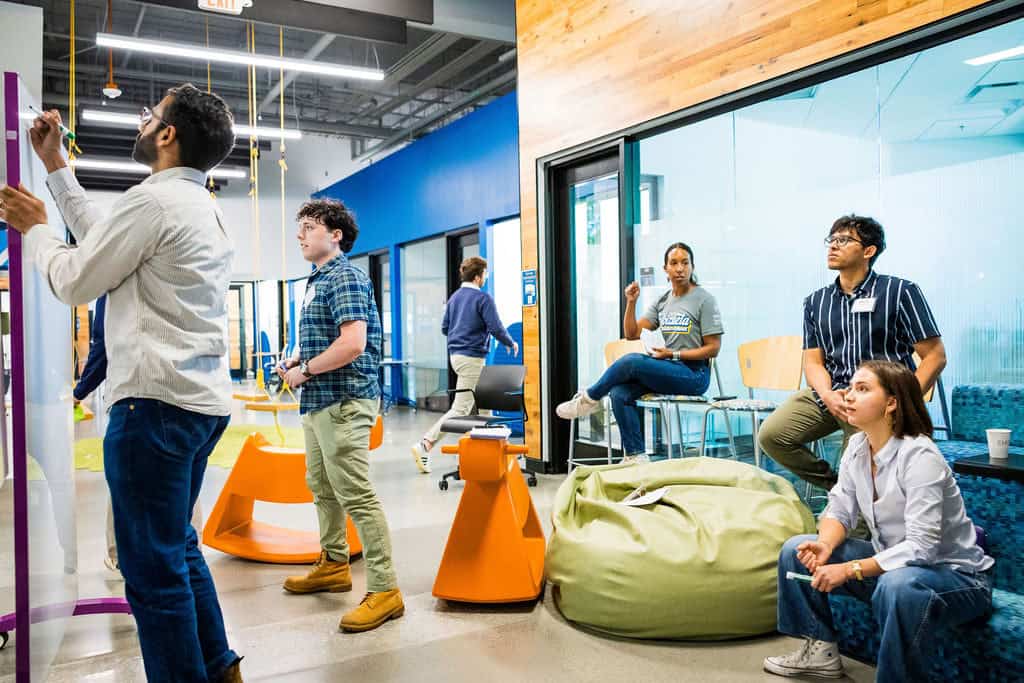
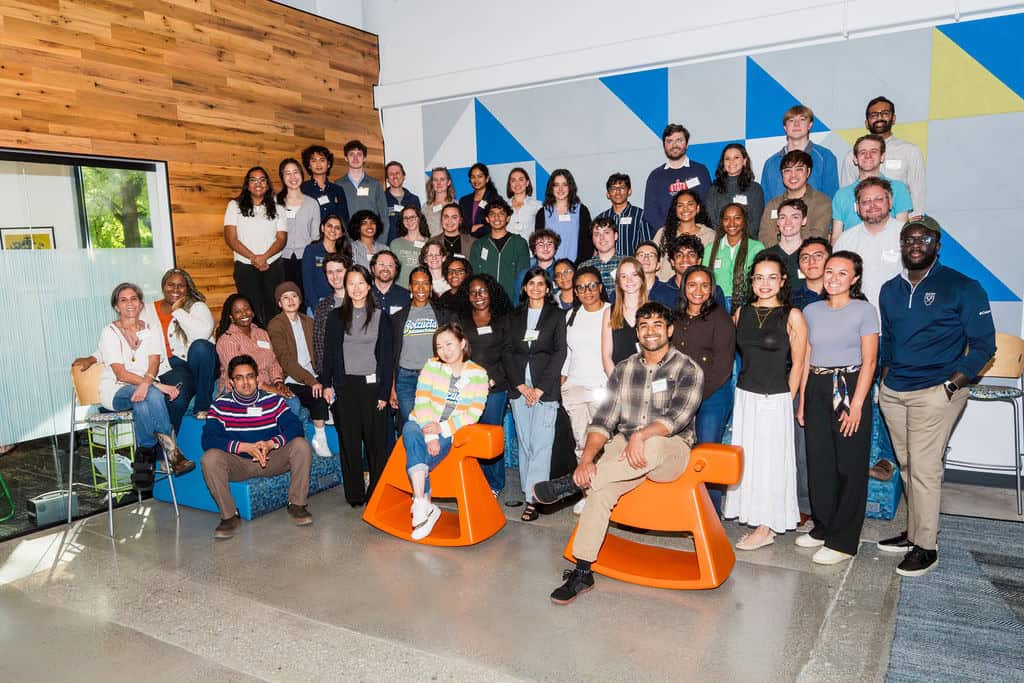
Of the 48 participants, 49% were from Georgia Tech, and 66% were graduate students. The disciplines represented were diverse: business, public health, law, sustainable energy and environment, nursing, engineering, biology, anthropology, and public policy.
Since each of these areas has a certain language and perspective, the first day of the event was spent getting to know one another and breaking down any potential barriers between different backgrounds and skill sets.
“Interdisciplinary work is extremely important for climate and waste,” says Le, a chemical and biomolecular engineering student from Georgia Tech. “I really appreciated the collaborative event. Climate change is a global challenge, and it is better to work with others to find solutions.”
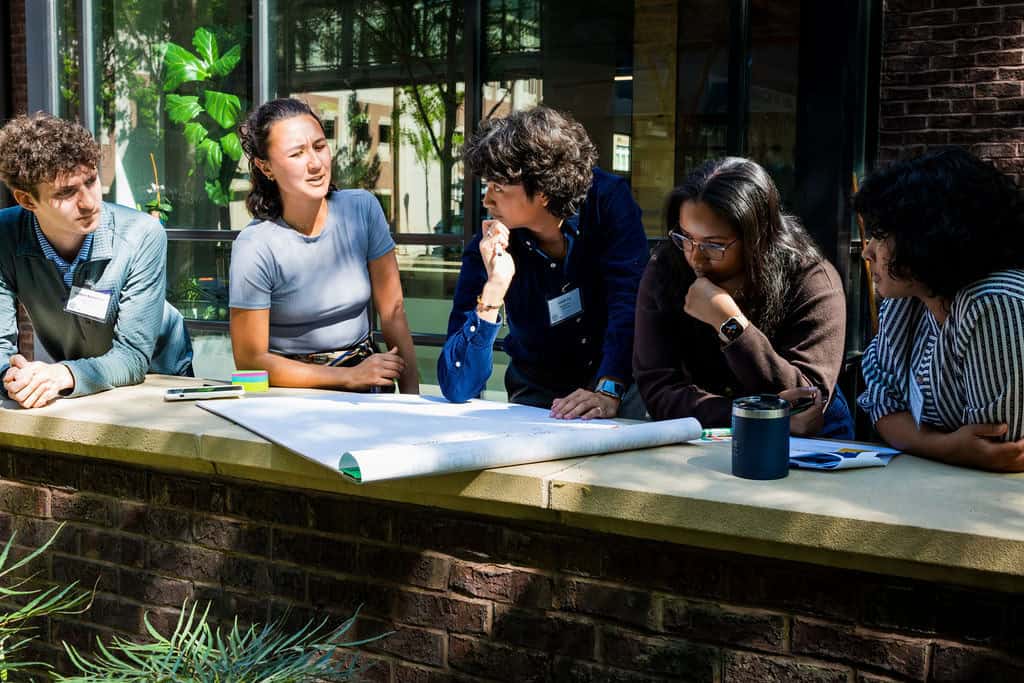
To facilitate discussion and guide the cohorts, there were six peer coaches from Goizueta programs, including Wendy Yu 27MBA, a senior analyst at The Home Depot and student in Goizueta’s Evening MBA program.
As a fellow of the Business and Society Institute, Yu tries to sign up for any volunteer opportunity through the institute: “I’ve found that engaging in community-oriented work actually improves by academic performance. When I’m involved in meaningful, collaborative experiences like this, I feel more motivated, grounded, and focused in my studies.”
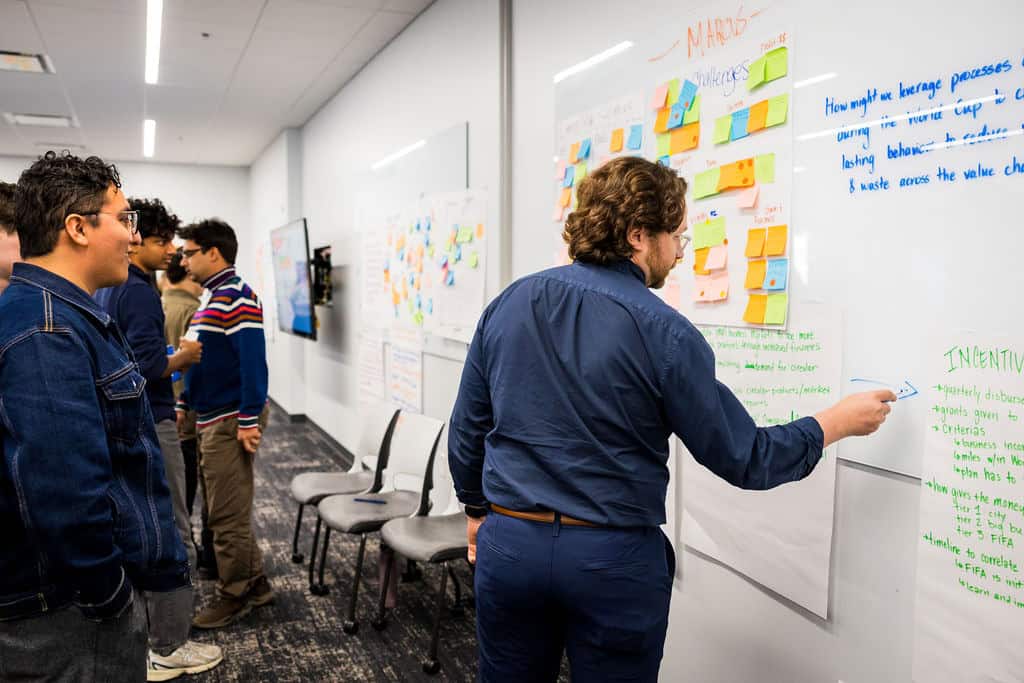
Yu describes the participants’ final presentations as “powerful,” especially considering these individuals were strangers before the event began, but they came together to collaborate in a fiercely important way.
“Events like this help shift the narrative around climate change from discouragement to possibility by exposing participants to real, implemented solutions,” says Yu. “The human-centered design approach trains us to think in terms of opportunities and solutions, rather than only problems—an essential mindset for tackling complex challenges.”
Yu has heard from several participants who left the event feeling invigorated and inspired about their career paths.
“The event helps make climate innovation feel tangible, accessible, and relevant to Atlanta’s future.”