
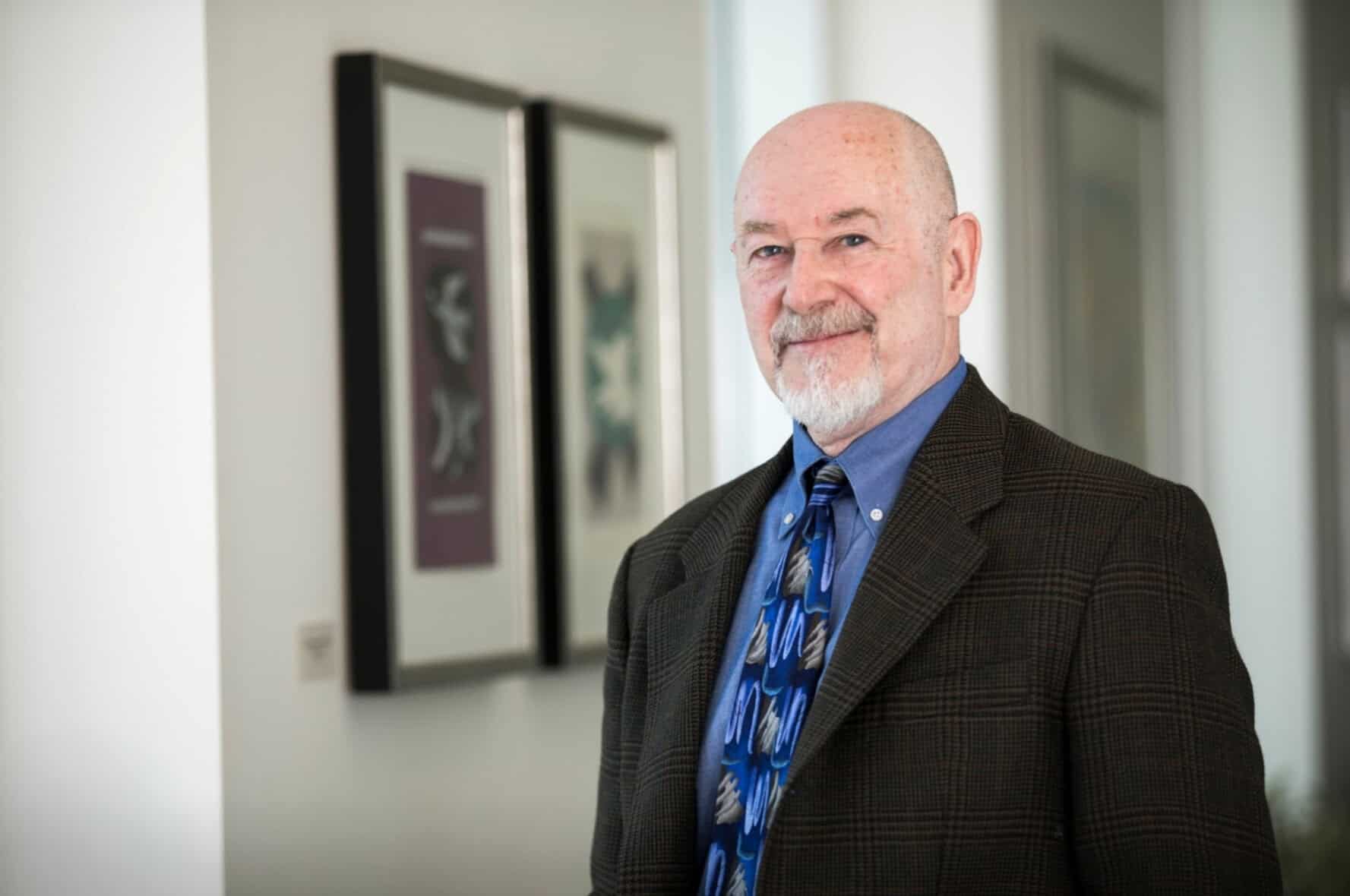
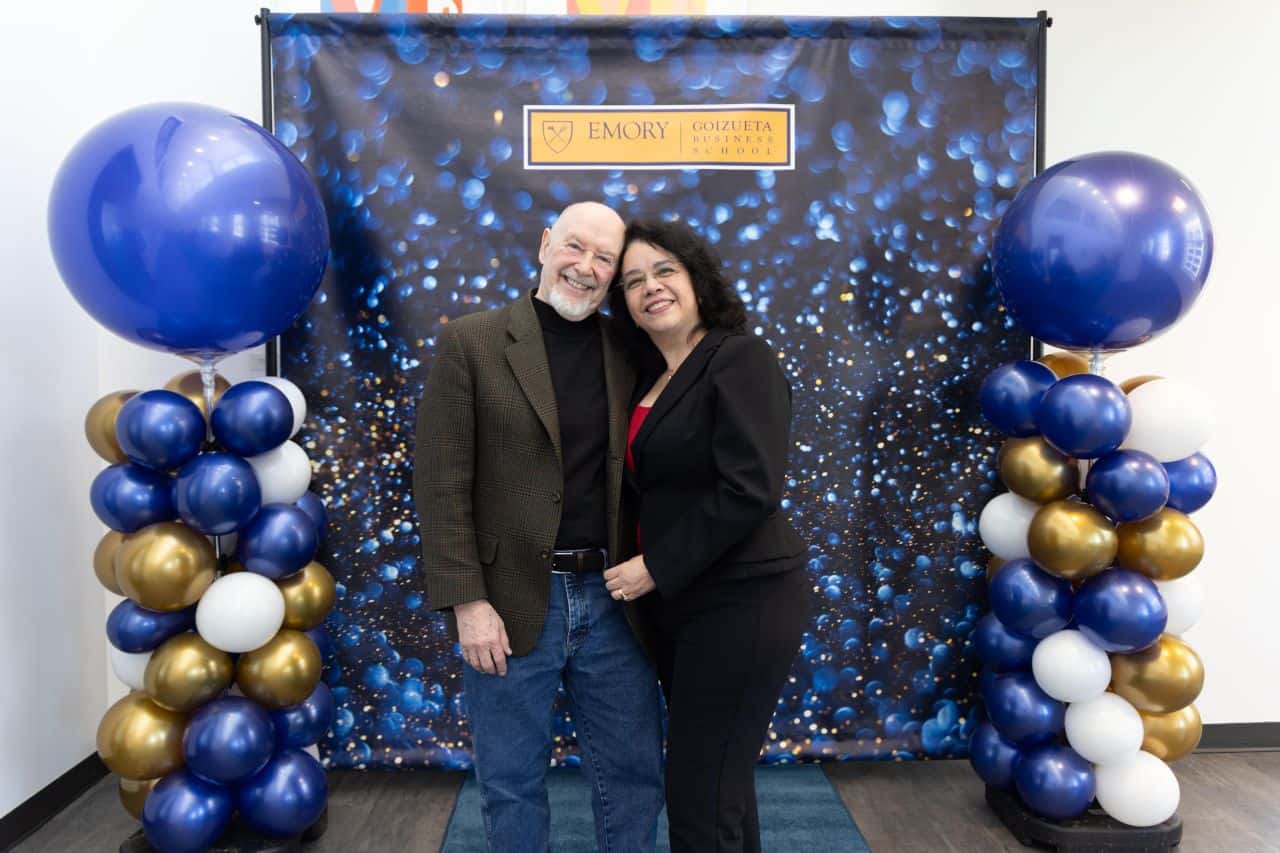
After more than four decades at the forefront of artificial intelligence, organizational science, and public health innovation, Michael J. Prietula is retiring from Emory University—leaving behind a career defined not only by scholarly output but also by deep, sustained influence on innovative applications of AI itself.
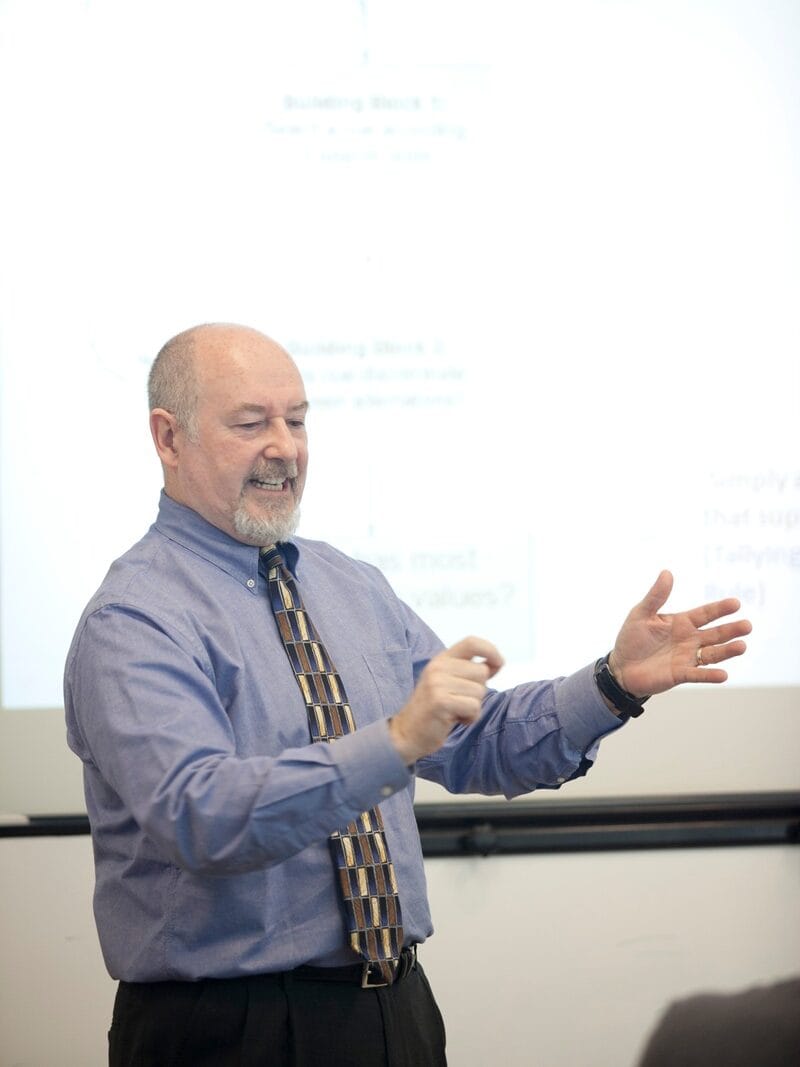
Prietula’s work traces directly back to the origins of artificial intelligence as a field. Early in his career at Carnegie Mellon University, he worked alongside foundational figures including Nobel Laureate Herbert A. Simon and Turing Award scholar Allen Newell, two of AI’s architects. That proximity shaped a career that would span the earliest theoretical models of intelligent systems to today’s most pressing questions about ethical AI and human-machine collaboration.
At Emory, he also helped shape the school’s academic future through his involvement in developing its doctoral program and creation of unique interdisciplinary courses on organization modeling, effective decision-making, terrorism, and agent-based systems—long before many of these themes became mainstream.
Building the Foundations of AI—and Expanding Them
Across appointments at Carnegie Mellon, Dartmouth College, and ultimately Emory, Prietula helped push AI beyond theory and into real-world application, including one of the earliest studies of trust in AI. Early on, he taught artificial intelligence as the field was still emerging and led research into how humans and intelligent systems collaborate—laying the groundwork for applications across industries, including finance, manufacturing, online trading, and software development.
His early research also extended into health, where he contributed to AI applications for teaching medical pathophysiology and a distributed diagnostic advisory application for rural physicians for the then emerging spread of Lyme disease, long before such resources became widely available.
A Scholar of Scale and Influence
Over the course of his career, Prietula authored over 40 journal articles, 25 book chapters, and over 120 conference presentations/papers, while co-editing influential volumes such as Simulating Organizations and Computational Organization Theory. His work earned multiple best paper awards, leading downloads and other recognitions across disciplines, from management science to cognitive psychology to public health to neuroscience. His collaborations in neuroscience led to a publication in the Philosophical Transactions of the Royal Society, the world’s longest-running scientific journal (where Newton, Darwin, Faraday, and Berns also published).
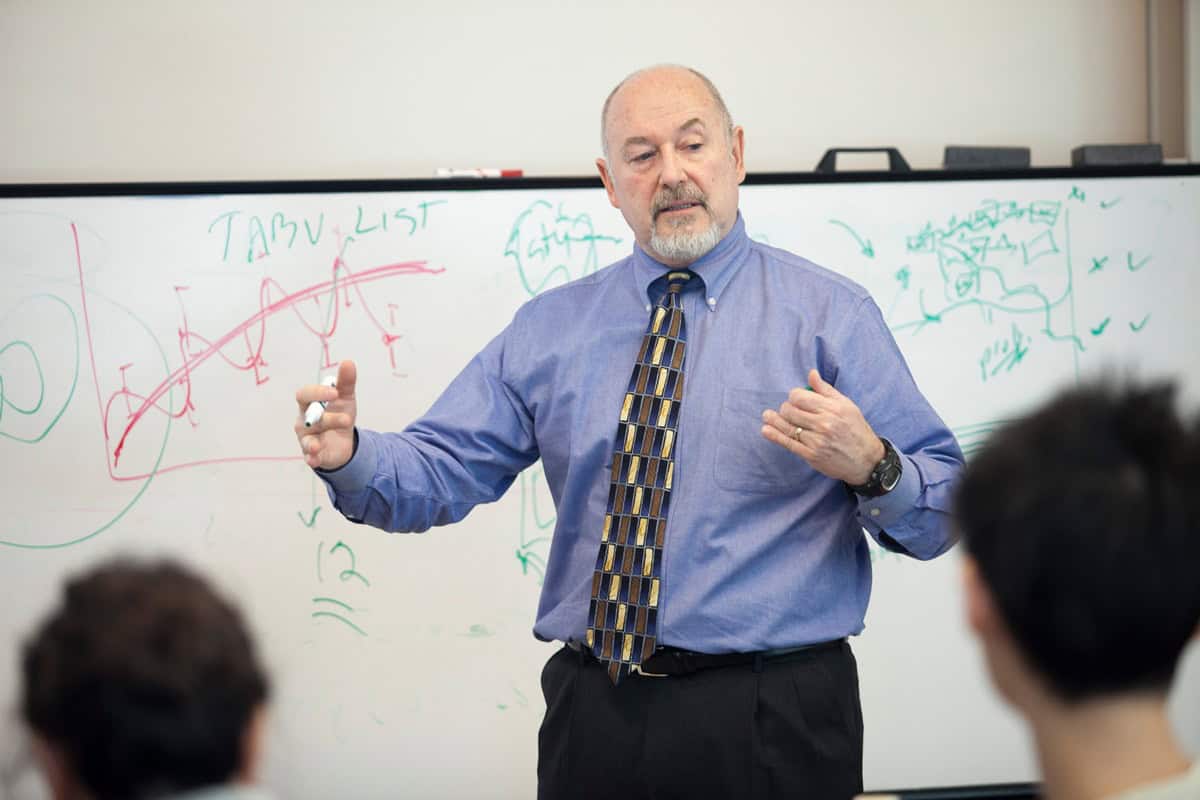
A defining theme has been his ability to work across boundaries—bridging business, computer science, health, public health, and the social sciences to address complex, human-centered challenges. Prietula brought an innovative approach to teaching. While at Carnegie Mellon, he co-developed a leadership course in collaboration with the School of Drama that applied acting techniques to executive communication—an interdisciplinary approach that became one of the school’s most popular offerings (widely covered in the press) and reflected his belief that effective leadership requires both analytical rigor and human presence.
At Emory, for another example, he collaborated with a colleague from neuroeconomics to develop a very popular (and visible) course exploring terrorism so that future business leaders can understand the history of terrorist attacks and political violence, their economic harm, what motivates individuals who engage in acts of terror, and the ethical and moral questions of adapting to a world with such risks. One of his classes met the day after the Boston Marathon bombings, bringing wide recognition and positive news coverage.
He has also worked across borders, visiting and collaborating with institutions such as Cambridge, Oxford, and St Andrews in the UK, University College Cork in Ireland, and ITESM and ITAM in Mexico. He collaborated on an innovative project to deliver innovative XO laptops for Africa via the One Laptop per Child project.
He has a long record of securing grants from the private and public sector (e.g., NSF, DARPA, AFOSR, CDC), which help fund many students.
Turning Toward Ethics, Trust, and the Future of AI
Today, much of his research is on the AI-human user experience (AI/UX) and multi-agent systems, which began decades ago and continues to explore how agents can engage in direct knowledge exchange and how to implement emotion-like constructs computationally in these agents.
Prietula’s focus has also shifted to one of the most urgent challenges in technology: ensuring AI systems are ethical, trustworthy, and aligned with human values.
He currently serves on committees within the Institute of Electrical and Electronics Engineers (IEEE) focused on AI ethics and is leading a working group on artificial intelligence and ethics within the American Public Health Association. His work explores how to embed ethical principles directly into AI systems—moving beyond abstract guidelines to practical, operational frameworks that can guide real-world use. Also, his membership in and engagement with the Association for the Advancement of Artificial Intelligence (AAAI) began as a graduate student and continues to this day, during which he leads its workshops and organizes research presentations.
A Lasting Legacy
Prietula’s legacy extends beyond any single breakthrough or publication. Rather, it lies in the arc of his career: from working alongside the founders of AI to shaping its ethical future; from theoretical models to applied systems that impact health, organizations, and society.
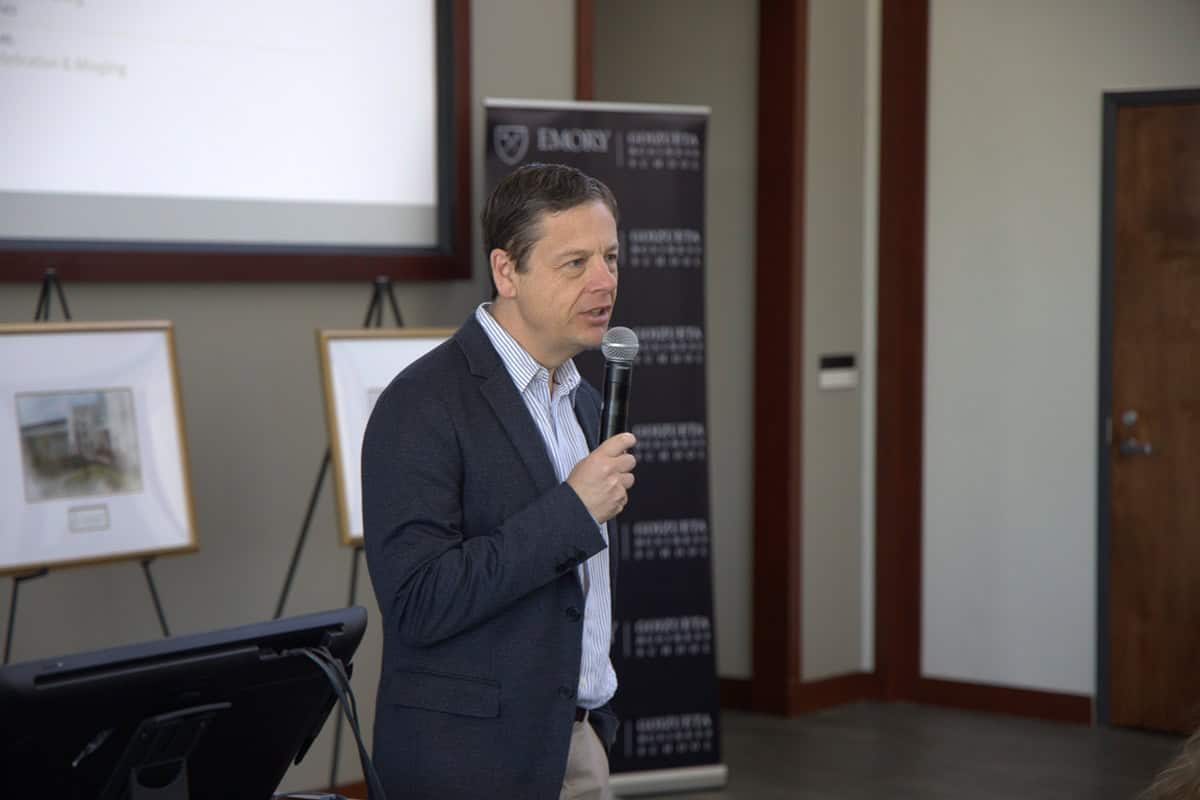
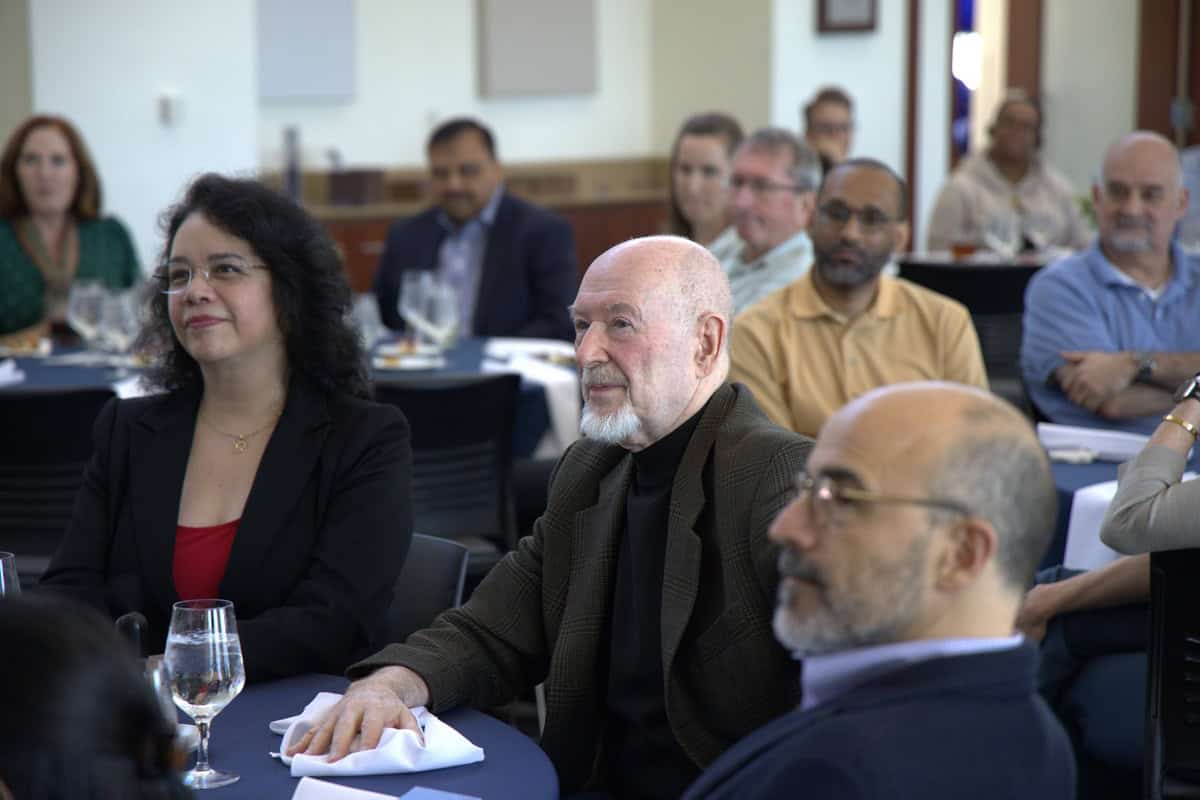
As AI continues to evolve, the frameworks, questions, and collaborations he helped establish will remain central to the field. And even in retirement, Prietula continues his work as a Senior Research Scientist at the Institute for Human and Machine Cognition, advancing research in human-centered AI and exploring how intelligent systems can better serve humanity. Of course, innovation brings questions. He often uses a quote that he learned from Allen Newell: “Don’t bite my finger, look where I am pointing!”
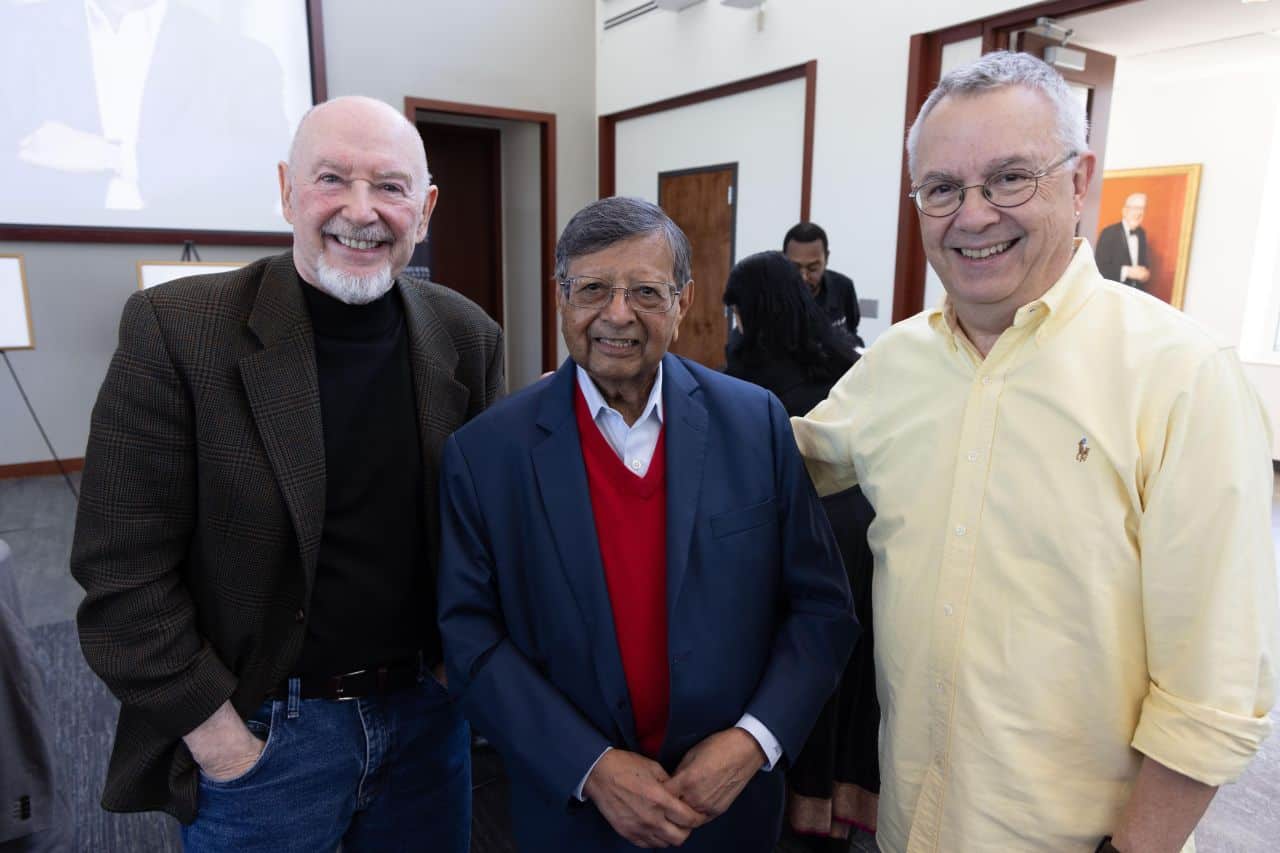
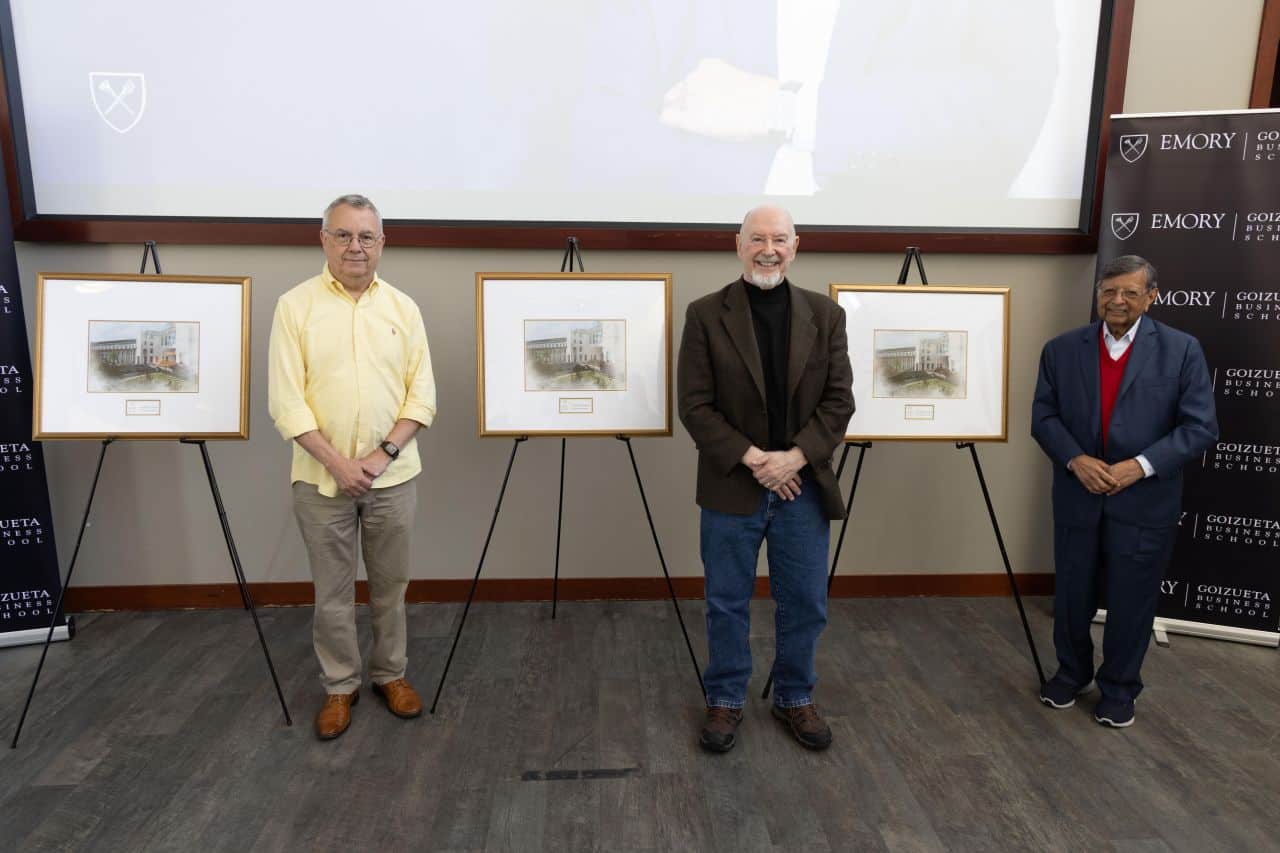
Emory University and Goizueta Business School named Prietula Emeritus Faculty to recognize his enduring contributions and a career that profoundly impacted students, colleagues, and artificial intelligence.
From artificial intelligence and organizational science to public health and ethics, Goizueta faculty combine pioneering research with real-world impact. Explore more faculty insights and innovations.